
Wedding Photoshoot Preparation: A Detailed Guide
2026-06-04
Wedding Photoshoot Preparation: A Complete Guide for Couples
Preparing for your wedding photoshoot is one of the most worthwhile investments of time you can make in the lead-up to your wedding. The difference between couples who prepare thoroughly and those who show up and wing it is almost always visible in the final images. Here is everything you need to know to get it right.
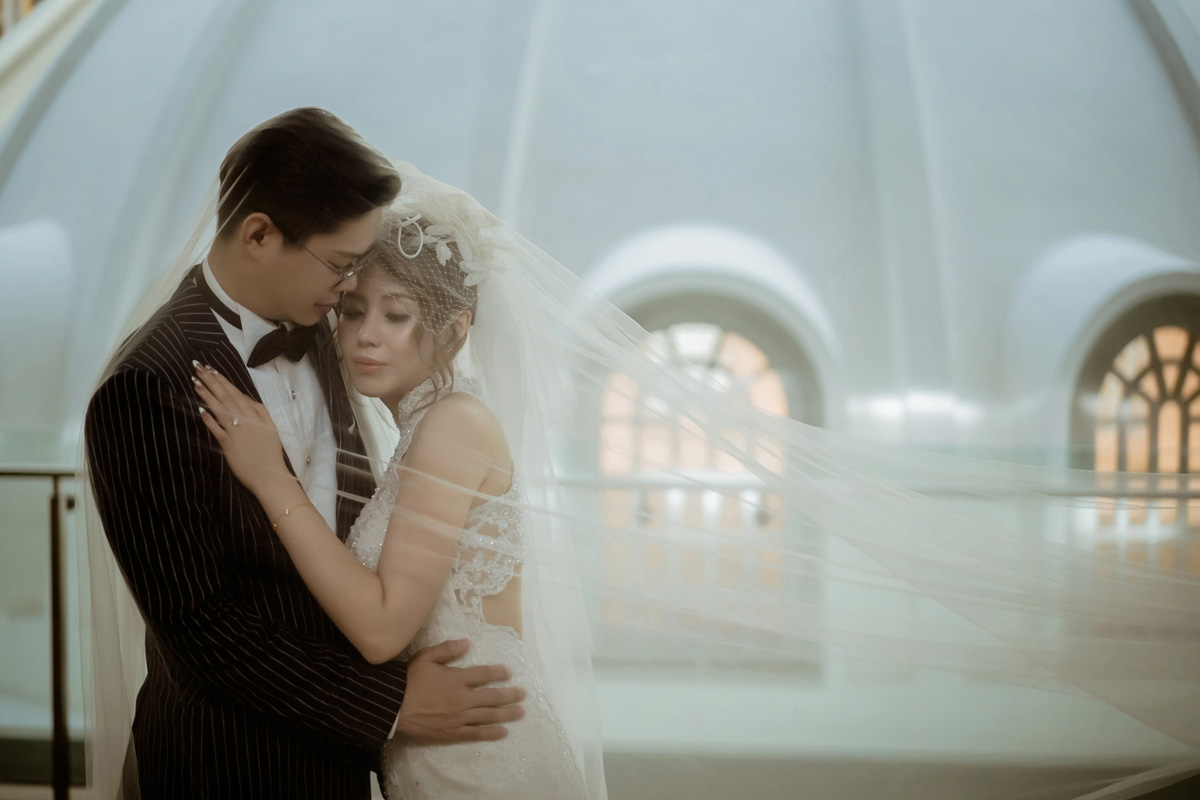
Source:cangaisg
Preparing for a Wedding Photoshoot: What It Involves and Why It Matters
Preparing for a wedding photoshoot goes beyond picking an outfit and showing up on time. It involves defining a visual concept, scouting and confirming locations, coordinating with your photographer, planning your styling, and making sure every practical detail is sorted before the day itself.
The reason preparation matters so much is that photography is largely unforgiving of chaos. When couples arrive at a shoot without a clear idea of what they want, without having communicated properly with their photographer, or without having thought through practical details like footwear for an outdoor location, the results tend to show. Stiff poses, mismatched styling, poor lighting choices, and a rushed timeline all produce images that fall short of what was possible.
Common mistakes couples make when skipping preparation include leaving outfit decisions to the last minute, failing to share references or a mood board with their photographer beforehand, not accounting for travel time between locations, and underestimating how long hair and makeup takes. None of these are difficult to avoid with a little forward planning.
When to Start Preparing for Your Wedding Photoshoot
How far in advance you start preparing depends on the type of shoot. For a pre-wedding or engagement shoot, starting your preparation four to six weeks out gives you enough time to make considered decisions without feeling rushed. For your actual wedding day photography, preparation should be woven into your broader wedding planning timeline from the start.
Key milestones to work towards include confirming your photographer and discussing your vision at least two to three months out, finalising your outfits six to eight weeks before the shoot, doing a hair and makeup trial four to six weeks out, conducting a location scout or confirmation visit two to four weeks before, and doing a final briefing with your photographer one to two weeks prior.
Last-minute preparation is possible but limiting. If you are working with less lead time, prioritise communication with your photographer above everything else. A photographer who understands your vision and expectations can compensate for some gaps in preparation. One who is working blind cannot.
Step-by-Step Guide to Preparing for a Wedding Photoshoot
Step 1: Define your concept and style. Before any other decision is made, get clear on the overall feel you want your photos to have. Romantic and soft? Editorial and bold? Natural and candid? Your concept influences every other decision, from location to outfit to lighting preference. Collect reference images from Pinterest, Instagram, or photography portfolios and identify the common threads.
Step 2: Choose your location and timing. Location and lighting are inseparable. An outdoor shoot in direct midday sun produces very different results from a golden hour shoot in a garden or a moody indoor shoot in a heritage building. Research your preferred locations, check whether permits are required, and confirm the best time of day for the light conditions you want.
Step 3: Plan your outfits and looks. Your outfits should complement each other and suit the location. Avoid overly matching looks, which can feel stiff, but make sure your choices are coordinated in terms of colour palette and formality. If you are planning multiple outfit changes, map out the logistics of where and when those changes will happen during the shoot.
Step 4: Coordinate with your photographer. Share your mood board, your outfit choices, your location preferences, and any specific shots you have in mind. The more context your photographer has before the shoot, the better equipped they are to deliver what you are envisioning. A good photographer will also push back or offer suggestions, which is a sign they are engaged with the process.
Step 5: Do a final review before shoot day. Run through your checklist the day before. Confirm the call time and meeting point with your photographer. Check the weather forecast and have a contingency plan for outdoor shoots. Make sure all outfits, accessories, and props are packed and ready to go.
Wedding Photoshoot Preparation Checklist
Having a checklist removes the risk of forgetting something important on the day. Here is what to cover.
Outfits and accessories: Both complete outfits including undergarments, shoes, jewellery, and any accessories. If you are doing multiple looks, pack everything for each look separately and label it clearly.
Makeup and grooming: Confirm your hair and makeup artist booking and call time. Pack a touch-up kit including lipstick or lip gloss, blotting papers, concealer, and a small brush. For grooms, ensure facial hair is groomed to its intended state the day before rather than the morning of.
Props and personal items: Any props you plan to incorporate, such as a meaningful book, a bunch of flowers, a vintage bicycle, or personalised signage, should be confirmed and packed the day before.
Backup essentials: Bring a spare pair of comfortable shoes for walking between locations. Pack safety pins, double-sided fashion tape, a small sewing kit, and a stain remover pen. Bring water and light snacks, particularly for longer shoots or outdoor sessions in warm weather.
Documents and contacts: Have your photographer's contact number saved and accessible. If you are shooting at a permitted location, bring a copy of your permit. Know the address of your shoot location and factor in parking or transport time.
Choosing the Right Style and Theme for Your Photoshoot
Your photoshoot style should feel like a natural extension of your wedding concept and your personalities as a couple. There is no single correct aesthetic, but there is a right fit for every couple.
Classic vs modern styles: A classic style emphasises timeless elegance, clean compositions, soft light, and understated styling. It ages well and suits traditional or formal weddings. A modern editorial style is bolder, more graphic, and often more experimental with composition, colour grading, and location choices. It suits couples who want images that feel distinctive and contemporary.
Indoor vs outdoor shoots: Outdoor shoots offer natural light, organic textures, and a sense of space. They are dependent on weather and require more logistical planning. Indoor shoots offer controlled lighting conditions, architectural interest, and protection from the elements. Many couples opt for a mix of both, which gives their final gallery more visual variety.
Matching your theme with your wedding concept: If your wedding has a clear theme, such as a garden party, a black-tie ballroom affair, or a beachside celebration, your photoshoot styling should reflect that. Consistency between your photoshoot aesthetic and your wedding day creates a cohesive body of imagery that tells a complete visual story.
How to Coordinate with Your Photographer and Team
Good communication with your photographer before the shoot is one of the most important factors in the quality of your final images.
Communicating expectations clearly: Be specific about what you want. Saying you want "romantic" photos is a starting point but not a brief. Share the references that made you feel something and explain what specifically appeals to you about them. Is it the light? The posing style? The colour palette? The location?
Sharing mood boards and references: A well-curated mood board is the single most useful tool you can give your photographer. It does not need to be elaborate. A shared Pinterest board or a folder of saved Instagram images communicates your vision far more precisely than a verbal description alone.
Working with stylists and planners: If you are working with a hair and makeup artist, a wardrobe stylist, or a wedding planner, make sure everyone has been briefed on the overall concept. A shoot where the styling, location, and photography are all pointing in the same direction produces significantly better results than one where each element was decided in isolation.
See more: 5 Unique DIY Wedding Photo Booth Ideas Besides Floral Walls
What to Expect on the Wedding Photoshoot Day
Knowing what the day will look like helps you stay relaxed and present rather than anxious about what comes next.
Timeline of the shoot: A typical pre-wedding photoshoot runs between two and four hours. Your photographer will usually begin with some warm-up shots in a lower-pressure setting before moving into more composed setups. Factor in travel time between locations and allow buffer time for unexpected delays.
How to pose naturally: The most common complaint couples have about their photoshoot photos is that they look stiff or unnatural. The best antidote is movement. Walk together, whisper something to each other, laugh at something genuine. Photographers who are good at directing will give you prompts and actions rather than static poses. Trust the process and resist the urge to freeze every time the camera comes out.
Managing time and energy: Photoshoots are more tiring than most people expect, particularly outdoor shoots in warm weather. Build in short breaks, stay hydrated, and do not schedule anything immediately after a long shoot. Arriving rested and well-fed makes a visible difference to how you present in front of the camera.
Common Mistakes to Avoid When Preparing for a Wedding Photoshoot
Overcomplicating the concept: Trying to incorporate too many locations, too many outfit changes, or too many props in a single shoot creates a rushed, fragmented result. A simpler, well-executed concept almost always produces better images than an ambitious one that runs out of time.
Poor timing or lighting choices: Booking a midday outdoor shoot in full sun is one of the most common and avoidable mistakes. Harsh overhead light is unflattering for portraits. Aim for the golden hour, approximately one hour after sunrise or one hour before sunset, for the most consistently beautiful natural light.
Lack of coordination between team members: If your photographer, stylist, and makeup artist have not communicated with each other before the shoot, you risk arriving on a day that feels disjointed. A brief group message or call a week before the shoot aligns everyone and prevents avoidable friction on the day.
Forgetting essential items: Going through a checklist the evening before your shoot takes ten minutes and eliminates the stress of realising on the day that you have forgotten your second pair of shoes, your veil, or the props you spent time sourcing.
See more: Photo Booths, Dessert Tables & More
Tips to Make Your Wedding Photoshoot Look Natural and Memorable
Approach it with the right mindset: Feeling self-conscious in front of a camera is completely normal, particularly if you do not have much experience being photographed. Remind yourself that your photographer wants the shoot to go well just as much as you do. Trust their direction and try to stay present in the moment rather than in your head.
Natural posing tips: Move rather than stand still. Hold hands and walk. Sit close together and have a real conversation. Rest your head on your partner's shoulder. Look at each other rather than at the camera for some shots. These small, genuine interactions produce the images that couples consistently say are their favourites.
Capturing candid moments: Some of the most memorable wedding photos are not posed at all. They are the laugh that happened between setups, the moment one partner fixed the other's hair, or the quiet look exchanged when neither of you realised the camera was still rolling. A good photographer captures these instinctively. Your job is simply to be present and genuine, and let the photography take care of itself.
Request a quote from over 450 wedding vendors
Get A Free Quote Now

Editor's Choice Awards 2026


GET THE APP


WE ACCEPT






Copyright © 2026 Citrus Media Pte. Ltd.
Reg No.: 200206092Z. All Rights Reserved