
Age Gap Relationships & Different Timelines: How Couples Navigate Expectations
2026-02-16

Source: @theaisle_edit (Pinterest)
In Singapore, there's an unspoken timeline for milestones: graduate, establish a career, marry by your late twenties or early thirties, have children, buy property. When you're in a relationship with someone on a different timeline, these pressures intensify.
How Age Gaps Affect Life Stages and Expectations
Age gaps amplify this. A ten-year difference means genuinely different life phases. The younger partner might still be exploring identity whilst the older has clarity about what they want. These differences aren't inherently problematic, but they require acknowledgment and navigation.
Career Stages and Financial Priorities
Different timelines often mean different career stages. One partner might be well-established, whilst the other is early in their career. This creates challenges around lifestyle expectations, financial decision-making, and power dynamics that require conscious attention to prevent resentment.
Social Circles and Life Experiences
Different life stages mean different social circles. The older partner's friends might be married with children. The younger partner's friends might still be clubbing on weekends. The most successful couples honour both sets of social needs whilst building shared circles that work for both.
The Biological Clock and Relationship Pressure

Source: CPF
Perhaps nowhere is the timeline difference more acute than around children. Women, particularly, face the biological reality that fertility declines with age, becoming significantly more challenging after 35 and quite difficult after 40.
This creates a genuinely difficult situation when partners are at different stages of readiness. The older partner, especially if female, might feel urgent pressure to make decisions about children, whilst the younger partner might still be figuring out their career or whether they even want children at all.
There's no easy answer here. The biological clock doesn't pause for emotional readiness, but rushing into parenthood before you're ready creates its own problems. Couples in this situation need to have honest, sometimes uncomfortable conversations about their actual wants and timelines.
Family and Parental Expectations
Family expectations hit differently depending on your age. Parents might worry the younger partner is rushing in too early, or be relieved the older partner is finally settling down. For the older partner, especially if over 30, pressure around marriage and grandchildren can be relentless, often transferred to the relationship.
When One Partner Is Ready and the Other Isn’t
One of the most challenging scenarios is when one partner is ready for the next step and the other genuinely isn't. This might be readiness for marriage, for children, for buying property, for any major commitment.
The ready partner often feels frustrated and hurt, interpreting their partner's hesitation as lack of commitment or love. The not-ready partner feels pressured and resentful, pushed toward decisions they're not prepared to make. Both feelings are valid, and both create real pain.
This situation requires deep honesty. The not-ready partner needs to genuinely examine whether it's a matter of timing ("I need another year or two to feel ready") or a fundamental incompatibility ("I'm not sure I ever want children"). The ready partner needs to honestly assess whether they can wait, and for how long.
Sometimes the answer is that you want different things, and loving each other isn't enough to bridge that gap. This is painful but important to acknowledge before resentment builds.
Creating Your Own Relationship Timeline

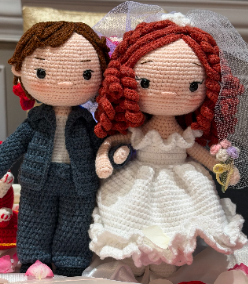
Source: Fairmont Singapore
The most successful couples stop trying to fit into external expectations and build a shared vision that works for both. This requires multiple conversations over time, understanding not just what each person wants but why. These conversations should be curious and compassionate, aiming to understand rather than pressure.
Why Communication Matters More Than Timing
Exceptional communication is essential. Be explicit about your needs, fears, and non-negotiables. Say "I need more financial stability before buying property" rather than dragging your feet. Say "my fertility window is closing and this causes me anxiety" rather than seeming inexplicably urgent. Listen without defensiveness when your partner shares their perspective.
When Age Gaps Create Differences in Life Experience
Significant age gaps can mean differences in life experience and emotional maturity. The more experienced partner often approaches decisions differently than someone for whom everything is new. This requires patience: the experienced partner must remember their partner is entitled to discovery, whilst the less experienced partner should recognise that indecision can frustrate someone who knows what they want.
The Non-Negotiables Discussion
Every person has dealbreakers. When timelines differ, identifying these early is crucial. If one partner absolutely wants biological children and the other doesn't, or one requires marriage whilst the other opposes it, you're facing incompatibilities that likely can't be bridged. These difficult conversations are acts of kindness, revealing misalignments before years of investment make separation more painful.
Building a Shared Vision for the Future

Source: Monti
Ultimately, navigating different timelines successfully means building a shared vision that honours both partners' needs and values. This vision might not look like either person's original plan, but it should feel right to both of you.
This requires creativity, flexibility, and genuine respect for each other's perspectives. It means being willing to adjust your timeline whilst also being clear about what you truly need. It means your partner is doing the same.
The couples who navigate this well often report that the process of working through timeline differences actually strengthened their relationship. It forced them to communicate more deeply, understand each other better, and make more intentional decisions about their future together.
Your timeline doesn't have to match society's expectations or your friends' choices or even what you imagined for yourself when you were younger. It needs to work for you, as the unique individuals you are, in the specific relationship you share.
That's the timeline worth building toward.
Request a quote from over 450 wedding vendors
Get A Free Quote Now




Blissful Brides | Wedding Guide 2026


GET THE APP


WE ACCEPT






Copyright © 2026 Citrus Media Pte. Ltd.
Reg No.: 200206092Z. All Rights Reserved