
Hotel, Restaurant or Outdoor Wedding: What Works Best in Singapore's Climate?
2026-03-14
Source: @door.snap
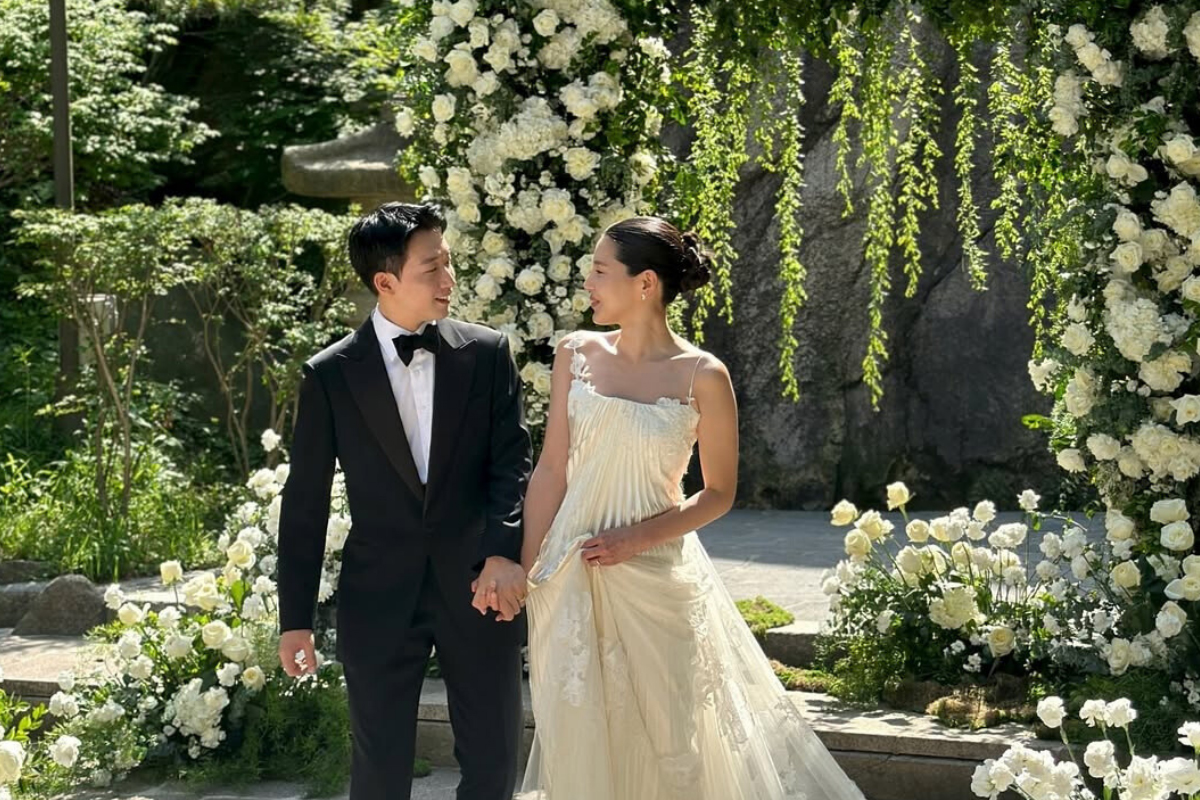
Choosing a wedding venue in Singapore involves one consideration that couples elsewhere rarely have to think about quite so seriously: the weather. With temperatures hovering between 25 and 34 degrees Celsius year-round, humidity that rarely dips below 70 per cent, and afternoon thunderstorms that can materialise with very little warning, your venue choice will shape not just the look of your wedding day but the comfort of everyone attending it.
Understanding the trade-offs between hotels, restaurants, and outdoor settings is essential before you commit to a deposit.
The Case for Hotel Venues
Source: UnderTheStars Photography at The South Beach
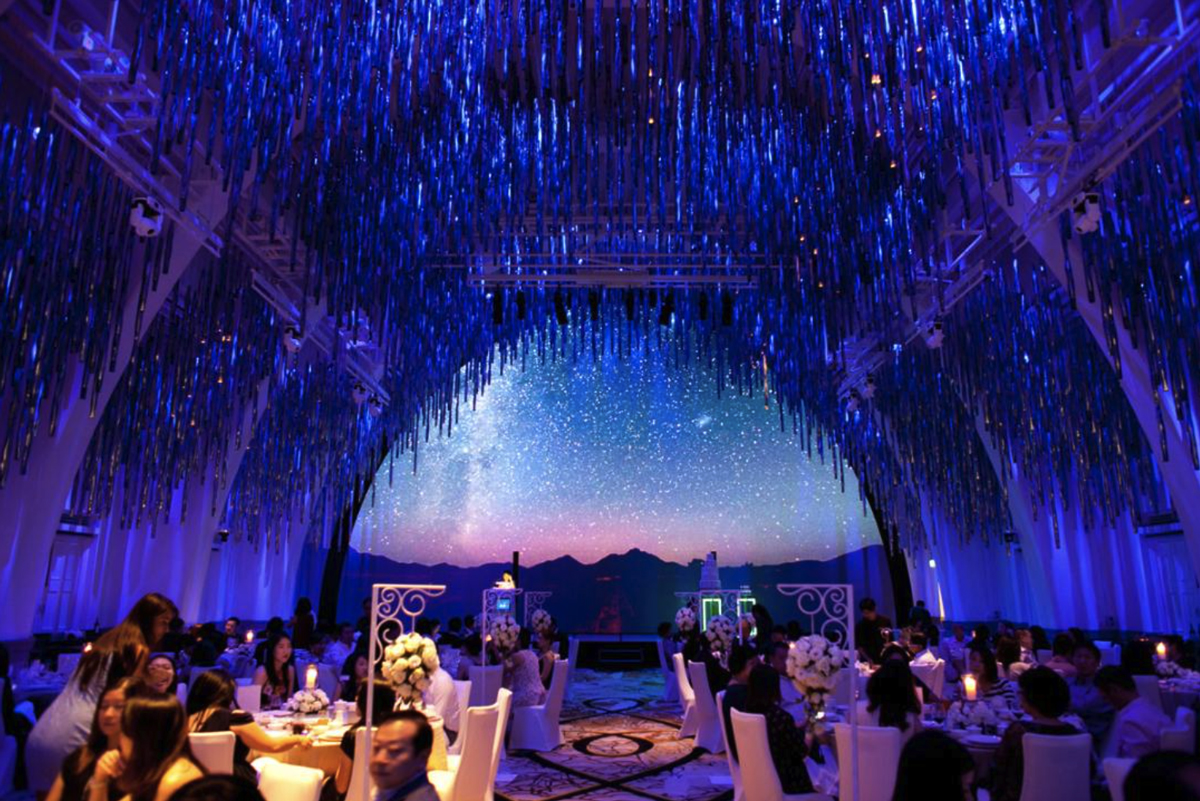
Hotel ballrooms and function spaces remain the most popular choice for weddings in Singapore, and the reasons are practical as much as they are aesthetic. The most obvious advantage is climate control. A fully air-conditioned venue means your guests are comfortable regardless of what is happening outside, and your photographer does not need to factor in harsh midday glare or sudden downpours.
Hotels also offer comprehensive packages that bundle catering, furniture, audio-visual equipment, and on-site coordination into a single contract. For couples who want to reduce the number of vendors they manage, this is a significant benefit. Many hotels in Singapore have dedicated wedding coordinators who have handled hundreds of events and can anticipate logistical problems before they arise.
The drawbacks tend to centre on cost and flexibility. Hotel venues in Singapore command premium pricing, particularly for Saturday evenings. Minimum spending requirements can push budgets upward even when guest lists are modest. Decor restrictions are also common, with some properties limiting what couples can bring in or alter. If you have a specific aesthetic vision that does not align with the venue's existing interior, achieving it may require considerable investment.
Restaurant Weddings: Intimacy With Trade-offs
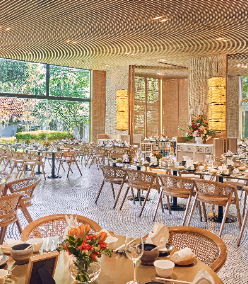
Source:Confetti Peektures at Peony Jade at Keppel Club
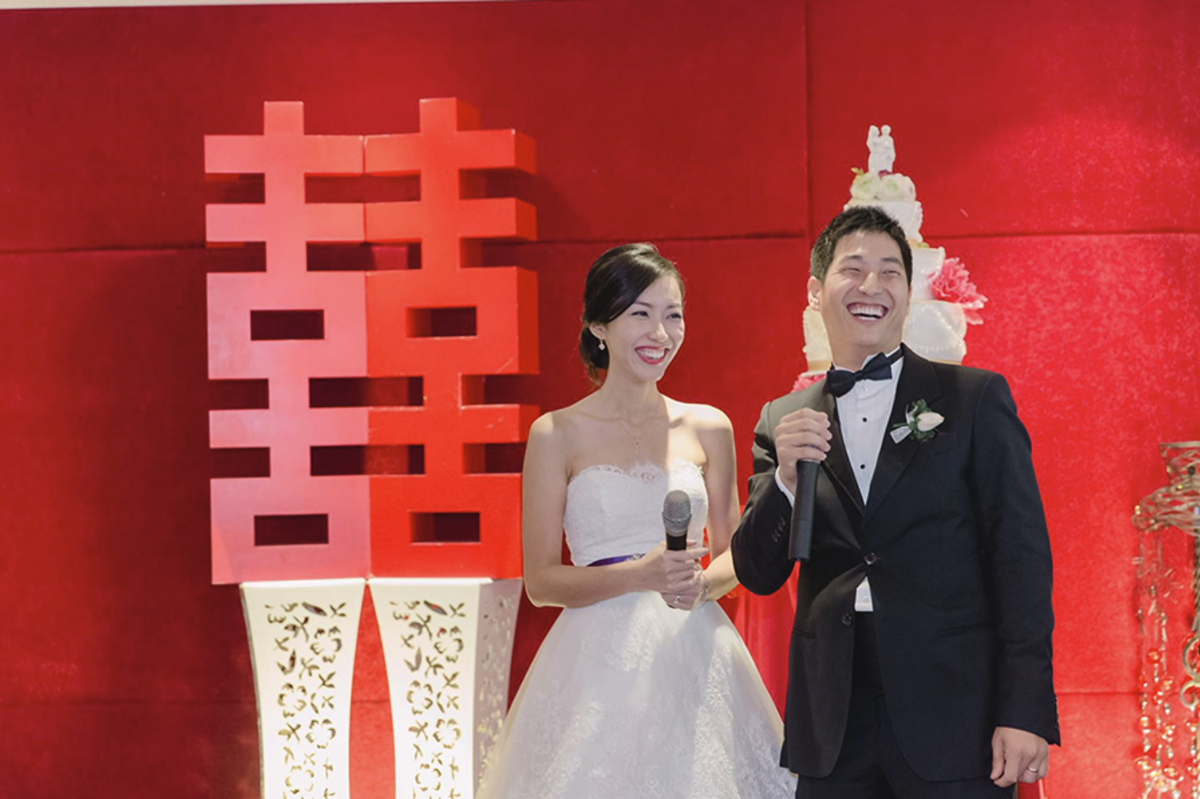
Restaurant venues have grown in appeal among couples who want a more relaxed, curated atmosphere. Singapore has a strong restaurant scene, and many establishments have private dining rooms or full buyout options that work beautifully for weddings of between 30 and 120 guests.
The food quality at a dedicated restaurant is often higher than standard hotel banquet catering, and the setting tends to feel less generic. Restaurants with distinctive interiors, whether that means a heritage shophouse in Chinatown or a contemporary space along the waterfront, provide natural visual interest that reduces the need for elaborate floral arrangements or additional decor.
The limitations are worth weighing carefully. Most restaurants are not purpose-built for weddings, which means you may find yourself working around fixed furniture layouts, limited sound systems, or restricted guest capacities. Air conditioning is typically present but may not be designed to handle a room at full capacity. Parking can also be a challenge depending on the location.
Outdoor Venues: Beautiful but Demanding
Source: Alpha Snow Photography at Resorts World Sentosa Singapore
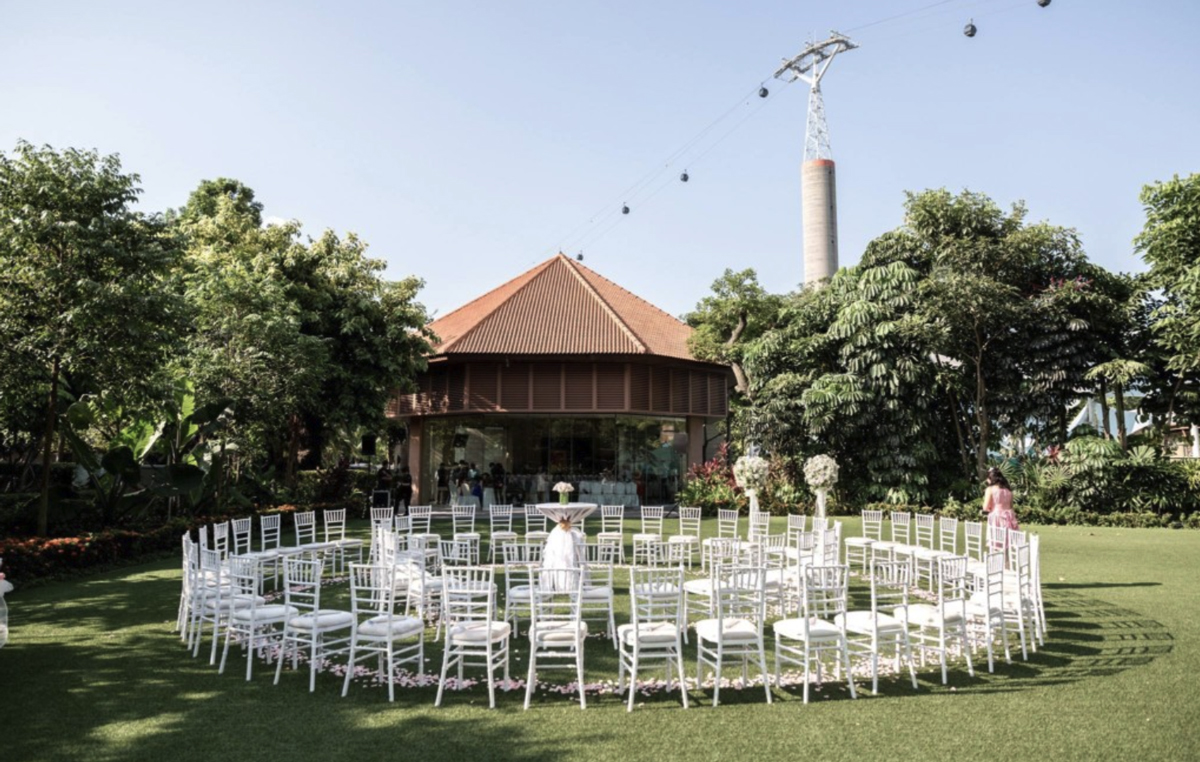
Singapore's lush greenery and waterfront settings make outdoor weddings visually stunning. Gardens by the Bay, Dempsey Hill, Fort Canning Park, and various resort properties on Sentosa have hosted memorable outdoor ceremonies and receptions. The appeal is understandable. Natural light, open space, and scenic backdrops create photographs that no ballroom can replicate.
The challenge is managing guest comfort in a climate that does not forgive poor planning. An outdoor ceremony at midday in February can be just as punishing as one in August. Couples who choose outdoor venues need to budget for additional infrastructure including marquee tenting, industrial fans or misting systems, and in some cases portable air cooling units. These additions are not cheap and should be factored into any cost comparison with indoor venues.
Timing matters enormously. Evening outdoor events, typically beginning after 6pm, are considerably more comfortable and reduce the risk of heat-related discomfort. Having a wet weather contingency plan is not optional; it is essential. Reputable outdoor venue operators will have experience managing this, but you should ask detailed questions about exactly what happens if it rains and who bears the cost of moving the event.
Making the Right Choice for Your Day
There is no universally correct answer to the hotel versus restaurant versus outdoor question. It depends on your guest count, your budget, your aesthetic priorities, and how much logistical complexity you are willing to manage.
For larger weddings above 150 guests, hotels offer the most straightforward experience. For smaller, more intimate gatherings where atmosphere and food quality take precedence, a well-chosen restaurant venue can deliver something genuinely special. For couples willing to invest in proper infrastructure and accept some weather risk, an outdoor setting can produce the most memorable event of all.
Whatever you choose, visit the venue at the same time of day and season as your planned wedding, speak to couples who have celebrated there before, and read the contract carefully before signing anything.
Request a quote from over 450 wedding vendors
Get A Free Quote Now



Blissful Brides Issue #45


GET THE APP


WE ACCEPT






Copyright © 2026 Citrus Media Pte. Ltd.
Reg No.: 200206092Z. All Rights Reserved