
Islamic Wedding Wishes: Respectful Messages for Muslim Couples
2026-04-23
Not sure what to write for a Muslim wedding? These Islamic wedding wishes are respectful, easy to use, and explained in English.
There's a specific kind of panic that hits when you're holding a wedding card for a Muslim friend and realising you have no idea what to write. Not to fret, however – we’ve got you.
In Singapore, these wishes are exchanged at nikah ceremonies, wedding receptions, and through cards or digital messages. The examples below are respectful, commonly used, and explained in English so you can write with confidence.
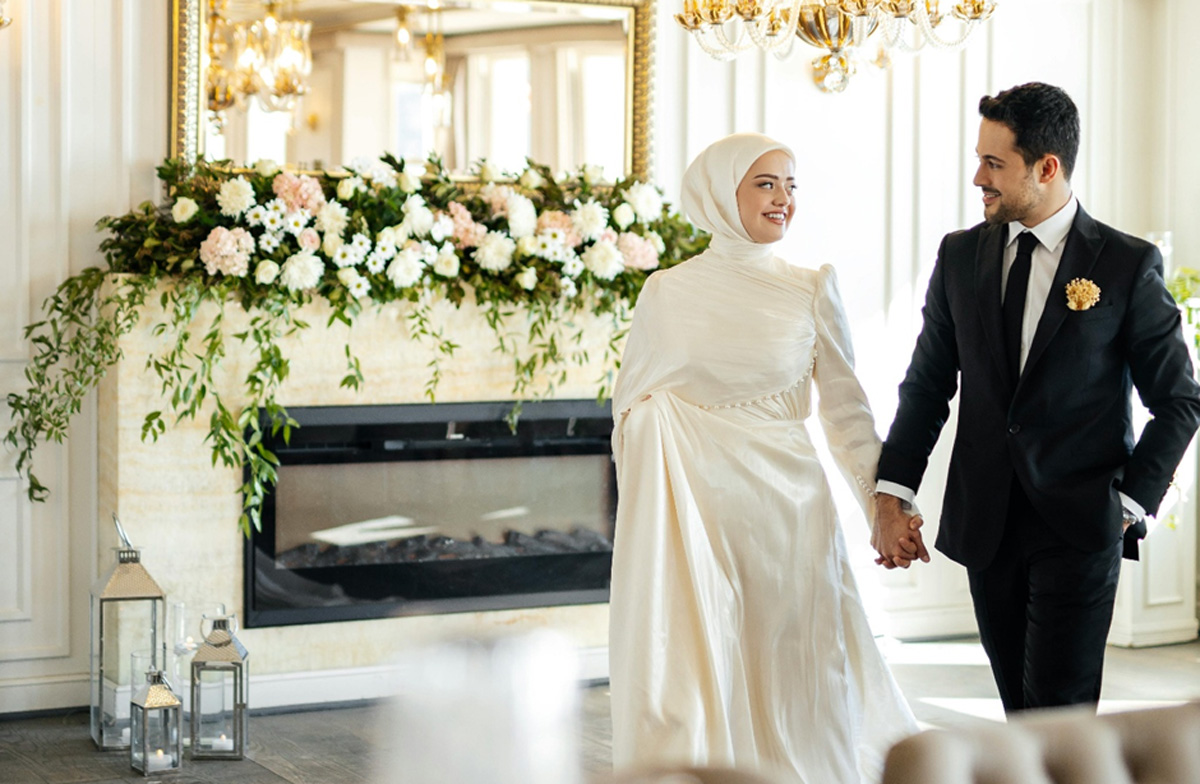
Short Islamic Wedding Wishes You Can Use
Short wishes work best for cards, WhatsApp messages, or when you're signing a guest book with a queue forming behind you. They're safe for most situations and don't require deep familiarity with Arabic phrasing.
- "Barakallahu lakuma. May Allah bless your marriage."
- "Wishing you a blessed and happy marriage."
- "May Allah fill your home with love and mercy."
- "Congratulations on your nikah. May your union be blessed."
- "May Allah grant you both happiness and togetherness."
- "Wishing you peace and blessings in your new journey together."
- "May your marriage be filled with Allah's blessings."
- "Congratulations! May Allah bless your life together."
These phrases are neutral enough for colleagues, acquaintances, or large wedding events where you might not know the couple well.
Common Islamic Wedding Wishes with English Meaning
If you've seen these phrases on wedding cards and wondered what they meant, you're not alone. Understanding the meaning helps you pick the right one and avoids writing something that doesn't quite fit.
Barakallahu lakuma wa baraka alaikuma – May Allah bless you both and shower His blessings upon you.
Wa jama'a bainakuma fi khair – May He bring you together in goodness.
Mubarak – Blessed (a simple, widely recognised term for congratulations).
Nikah Mubarak – Blessed marriage (commonly used for the wedding ceremony).
Taqabbalallahu minna wa minkum – May Allah accept from us and from you (often used during celebrations).
These meanings are interpretive rather than literal. What matters is that the phrases are widely accepted and appropriate for weddings.
Islamic Wedding Wishes Using Duas and Blessings
Duas are supplications or prayers, and they carry more religious weight than general congratulations. Use them when you're close to the couple, writing to family members, or when the wedding has a religious setting. Attending a nikah at a mosque? A dua feels fitting.
- "May Allah bless your marriage and bring you closer to Him."
- "Barakallahu lakuma wa baraka alaikuma wa jama'a bainakuma fi khair." (May Allah bless you both, shower blessings upon you, and unite you in goodness.)
- "May Allah make your marriage a source of peace and mercy."
- "May Allah grant you righteous children and a happy home."
- "May your marriage be a means of strengthening your faith together."
Keep duas short. Long Arabic texts can feel overwhelming in a card, and there's always a risk of misquoting.
Formal and Simple Islamic Wedding Wishes
Formal wishes suit messages to elders, religious leaders, or official settings like community or mosque-related weddings.
- "May Allah bless this union and grant you both a lifetime of happiness and faith."
- "Wishing you a marriage filled with Allah's mercy, guidance, and blessings."
- "May this sacred bond bring you closer to each other and to Allah."
Simple wishes work better for friends, peers, or casual congratulations where warmth matters more than formality.
- "So happy for you both! May Allah bless your marriage."
- "Congratulations! Wishing you all the happiness together."
- "Nikah Mubarak! Excited for this new chapter for you."
Match your tone to your relationship. A message to your boss's daughter reads differently than one to your university roommate.
When to Keep Islamic Wedding Wishes Simple
Not everyone feels confident writing religious phrases. That's fine. Simple wishes are better than forced ones.
Keep it simple at large public events with mixed guests, when you're unsure about the couple's level of religious observance, or when you don't want to risk using a phrase incorrectly. A sincere "Wishing you a blessed marriage" carries more warmth than an Arabic phrase you copied without understanding.
Respect matters more than complexity.
How to Choose the Right Islamic Wedding Wish
Consider your relationship. Close family or friends? You can be warmer or include duas. Colleague or acquaintance? Stick to neutral blessings.
Think about the setting. A private message allows for more personal wording. A public card calls for something brief and safe.
Be honest about your confidence. If you're not Muslim or unfamiliar with Arabic phrases, choose English-first wishes. There's nothing wrong with "May your marriage be blessed" written sincerely.
When in doubt, go simpler.
Common Mistakes with Islamic Wedding Wishes
Misusing Quran verses. Quoting scripture without proper context can come across as disrespectful. Unless you're certain a verse is commonly used for weddings, leave it out.
Writing overly long religious messages. A wedding card isn't a sermon. Long Arabic texts overwhelm and increase the chance of errors.
Mixing cultural phrases with Islamic wording. Malay cultural expressions and Islamic religious phrases aren't interchangeable. Keep them separate.
Using phrases you don't understand. If you can't explain what your message means, reconsider writing it.
Being overly casual with religious terms. Duas and blessings carry weight. Treat them with respect rather than tossing them in for decoration.
Related Wedding Wishes You May Need
Looking for more? Explore these guides:
Wedding Wishes by Relationship
Request a quote from over 450 wedding vendors
Get A Free Quote Now



BOWS | Ultimate All In One Wedding Show

GET THE APP


WE ACCEPT






Copyright © 2026 Citrus Media Pte. Ltd.
Reg No.: 200206092Z. All Rights Reserved