
Your Wedding Emcee Script: A Practical Guide for Singapore Banquet Dinners
2026-01-20
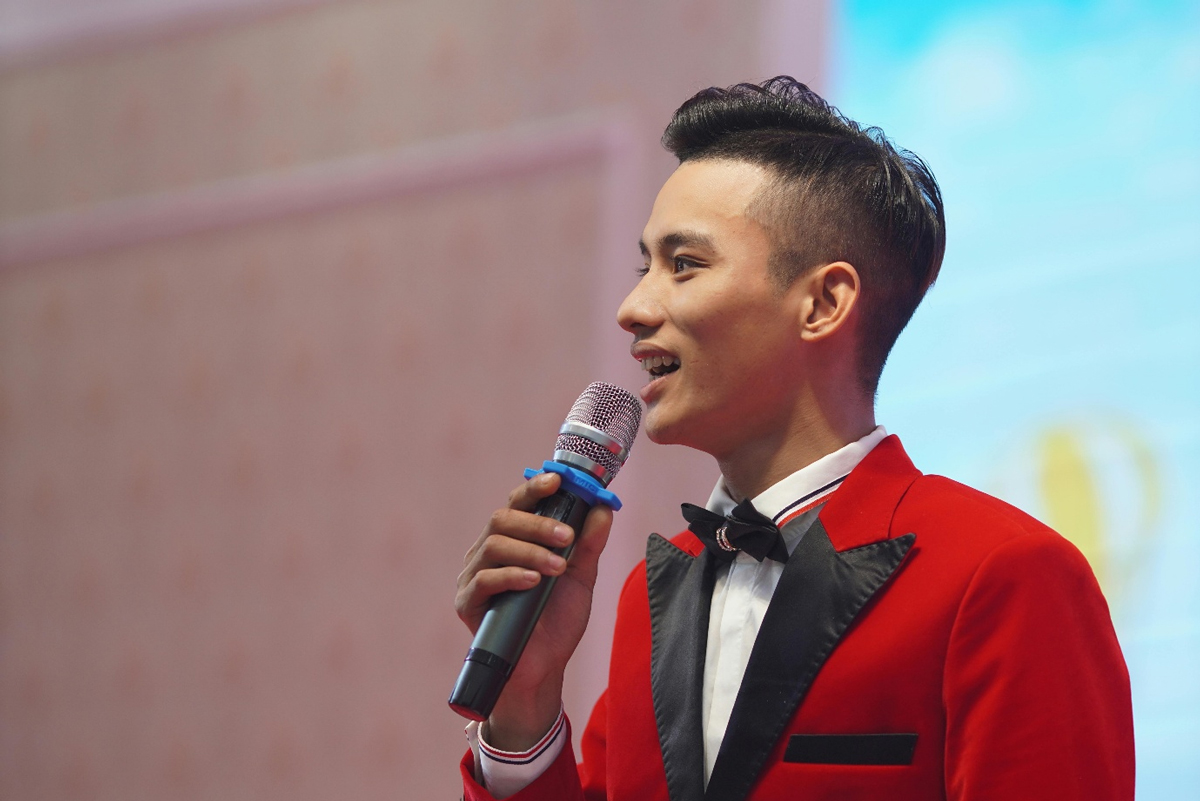
You've booked your emcee. Maybe a professional, maybe your witty colleague who volunteered after two glasses of wine at your engagement party. Either way, someone needs to figure out what they're going to say. And when. And how to pronounce your partner's dialect name correctly.
Most Singapore wedding dinners follow a similar rhythm, whether you're hosting at a hotel ballroom or a restaurant banquet hall. The emcee keeps that rhythm moving. Here's a practical breakdown of each segment, with guidance on what works and what falls flat.
Opening the Evening Right
The opening sets expectations. Your emcee should welcome guests warmly but without dragging things out. A strong start confirms the couple's names (pronunciation matters, especially for dialect names), acknowledges the venue, and hints at what's ahead.
Keep it under two minutes. Guests are settling in, waitstaff are pouring tea, and attention spans are still warming up.
The First March-In
This is the moment everyone waits for. And behind the scenes, it's a small production.
Your emcee coordinates with the banquet captain and AV team beforehand. Lighting cues, music timing, the couple's entrance path, all of it needs to sync. The script should include the couple's full names as they want them announced, whether that's their English names, Chinese names, or both.
One thing couples sometimes overlook: tell your emcee how you want to be introduced. "Mr and Mrs Tan" works for some. Others prefer "Joshua and Wei Ling." It's a small detail that makes the moment feel personal.
The Second March-In
By the third or fourth course, the couple returns in their evening outfits. The second march-in signals a shift in energy, a mini-celebration within the celebration.
This announcement stays shorter than the first. Guests already know who you are. The emcee raises excitement, comments briefly on the outfit change, and brings the focus back to the couple. Quick, punchy, done.
Between Courses
Here's where many emcees struggle. The kitchen has its own timeline, and your programme bends around it.
A skilled emcee uses transitions to preview what's coming. "After this course, we'll hear from the bride's father." These updates keep guests oriented without feeling like interruptions.
The script should also include cues for when not to speak. Nobody wants announcements while they're assembling their Peking duck wrapper.
Introducing Speeches
Singapore weddings usually feature speeches from parents, the wedding party, or the couple themselves. Each introduction should be brief.
"We now invite the groom's father, Mr David Lim, to share a few words." That's enough. The speaker's name, their relationship, and a handoff. No lengthy preambles.
If the couple wants a love story segment, the emcee should have bullet points rather than a full script. Speaking naturally sounds better than reading paragraphs.
Leading the Yam Seng
Yam seng is loud, joyful, and a little chaotic. The emcee's job is to control that chaos.
First, get everyone's attention. Then explain the sequence, especially if you have younger guests or those unfamiliar with the tradition. The emcee controls the pacing: "Yaaaaaaaam" builds slowly, "Seng!" releases the energy. Some couples like three rounds, some like one. It would be good to confirm this beforehand.
A good emcee reads the room. If guests are enthusiastic, lean into it. If the crowd is more reserved, keep it shorter.
Cake Cutting and Champagne Pouring
Both moments are photo opportunities first, ceremonies second.
The cake cutting announcement should be concise. Invite the couple on stage, give photographers a moment to position, then let them do their thing.
For champagne pouring, the emcee might briefly mention its symbolic meaning, the overflowing blessings. But don't overexplain. A sentence or two works better than a lecture.
Tone and Delivery
The best wedding emcees sound warm and professional. They don't try too hard to be funny.
Light humour works when it's natural. Forced jokes fall flat to a crowd that includes your boss, your grandmother, and your secondary school friends all at once.
Mandarin cues help if you have older guests more comfortable in dialect or Chinese. Even a simple "请大家鼓掌欢迎" (“Please welcome with a round of applause”) goes a long way.
Customising Your Script
Personalise the couple's names, pronunciation guides, and brief relationship highlights. Family acknowledgments matter, especially for parents and grandparents.
What to avoid? Sensitive family topics, inside jokes that exclude half the room, and anything about money. If you're unsure whether something belongs in the script, it probably doesn't.
On the Day
Should your emcee memorise everything? No. Cue cards or a tablet work fine. The goal is natural delivery, not recitation.
Delays happen. Maybe the kitchen’s running behind, or someone's stuck in traffic. A flexible emcee shortens transitions, reorders segments, and keeps the energy steady. This is why choosing a confident friend or professional matters more than having the perfect script.
Closing the Night
The closing thanks guests for attending, gives photo-taking instructions, and formally ends the event. Some couples add a note about wedding favours or after-party details.
Do keep it brief. By this point, guests are ready to mingle or head home. A warm thank you lets everyone leave on a high note.
Your emcee script is the backbone of your wedding dinner. Get it right, and the whole evening flows.
Request a quote from over 450 wedding vendors
Get A Free Quote Now


BOWS | Ultimate All In One Wedding Show

GET THE APP


WE ACCEPT






Copyright © 2026 Citrus Media Pte. Ltd.
Reg No.: 200206092Z. All Rights Reserved