
Choosing a Wedding Date: Cultural Beliefs vs Personal Meaning
2026-02-20

Source: @jungnam_wedding
When you get engaged in Singapore, one of the first questions everyone asks is: "When's the date?" It sounds simple enough, but for many couples, choosing a wedding date becomes an unexpectedly complex negotiation between cultural traditions, family expectations, practical constraints, and personal preferences.
The Traditional Approach: Auspicious Dates
Source: Empathy Weddings
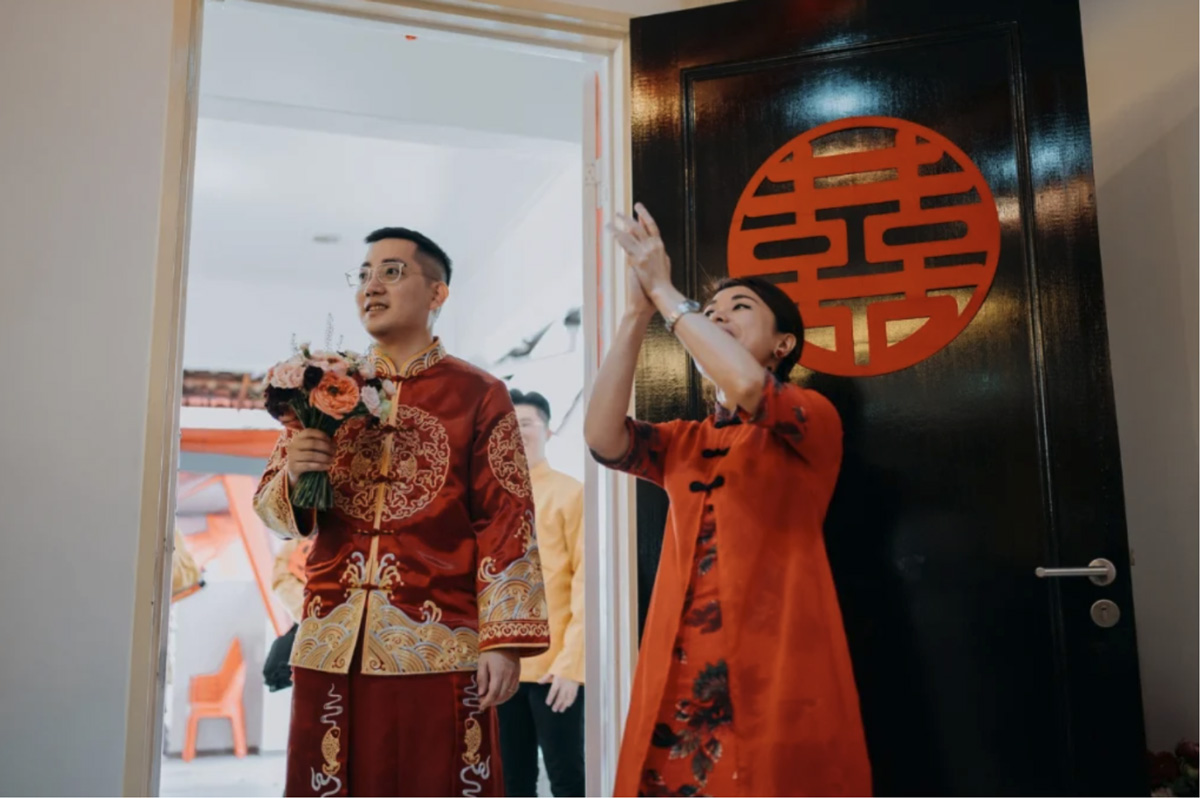
In Chinese Singaporean culture, selecting an auspicious wedding date remains deeply important to many families. This involves consulting the Tong Shu (Chinese almanac) or a feng shui master who considers the couple's birth dates and times to identify the most favourable days for marriage.
These auspicious dates are believed to influence the couple's future happiness, prosperity, and harmony. Certain dates are considered universally lucky, particularly those falling on double numbers (like 8th August or 12th December) or during periods associated with positive energy in the lunar calendar.
For Malay Muslim couples, considerations often revolve around Islamic lunar months, avoiding Ramadan for obvious reasons, and sometimes selecting dates that hold personal religious significance. Indian couples might consult Hindu astrological calendars to identify muhurtham, the most propitious moments for important life events.
The challenge? Truly auspicious dates are limited, and every couple in Singapore is looking at the same calendar. Popular dates get booked at venues two years in advance, vendors charge premium rates, and you're competing with potentially hundreds of other couples for the same Saturday in autumn.
The Practical Realities
Beyond cultural considerations, Singaporean couples face numerous practical constraints when selecting their wedding date.
Venue availability often dictates timing more than any other factor. Popular hotels, restaurants, and event spaces book out rapidly, especially for weekends. Couples who have their hearts set on a particular venue might find themselves choosing between a truly auspicious date at a compromise location or a slightly less ideal date at their dream venue.
Then there's the BTO waiting time. For many couples, their wedding timeline revolves entirely around when their flat will be ready. There's little point planning a wedding before you have somewhere to live, so the Housing Development Board's completion schedule becomes the primary determining factor.
Work commitments add another layer of complexity. In industries with busy periods (accounting during tax season, retail during year-end, education during exam periods), couples must work around these professional demands. Getting leave approved often means avoiding peak seasons, regardless of what the almanac says.
When Families Have Opinions
For many parents and grandparents, choosing an auspicious date expresses love and hope for the couple's future. It reflects a sense of responsibility, doing what they believe will protect the marriage, rather than a desire to control it. Yet some couples feel uncomfortable basing major decisions on beliefs they don't personally hold.
This difference in perspective often creates tension. What feels like guidance to one generation may feel like pressure to another, not because either side is unreasonable, but because they operate with different assumptions about what marriage requires.
The most constructive approach usually involves open communication and compromise. When couples first align privately on their priorities, they are better able to engage family members with clarity and respect, preserving relationships while retaining ownership of the final decision.
Creating Personal Meaning
Source:lovelifebittersweet
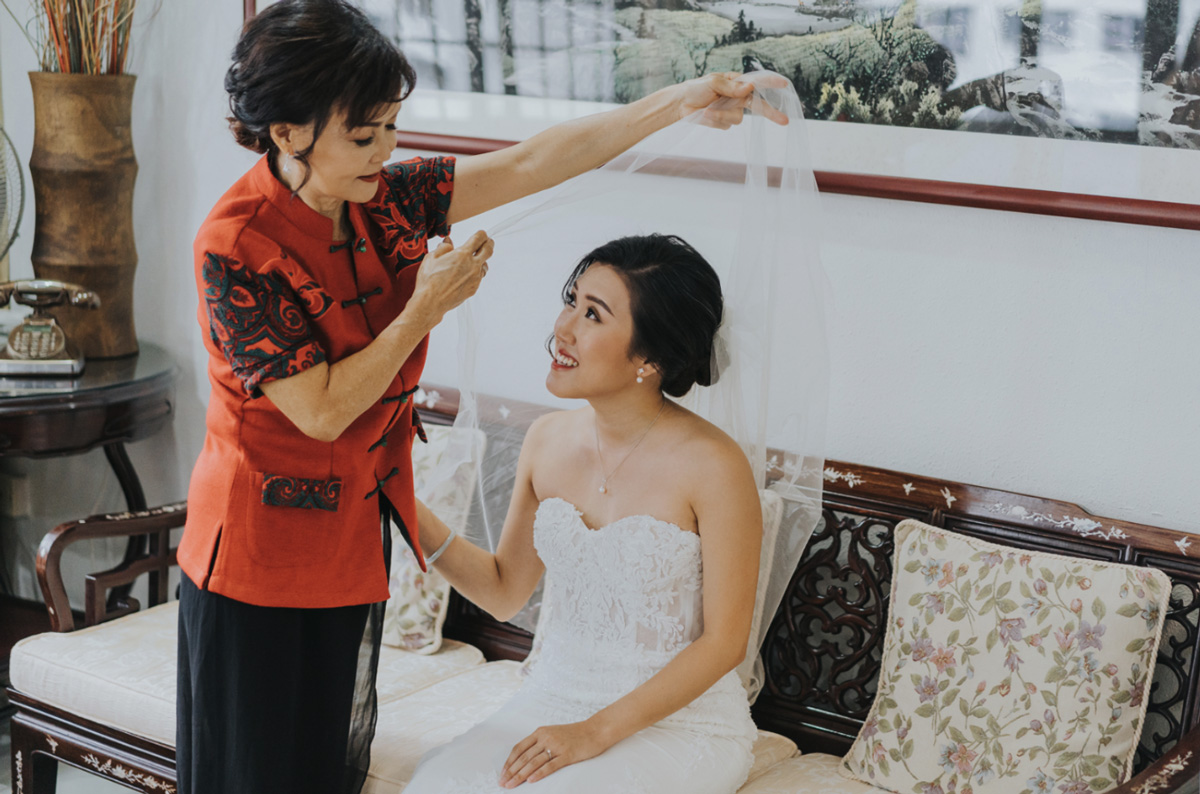
Choosing a date that holds genuine significance transforms your wedding from an event into a celebration deeply connected to your unique story. Some couples choose anniversaries of their first date or engagement. Others select dates tied to meaningful numbers or their favourite season. These personally meaningful dates create narratives you'll enjoy retelling for years.
The Middle Path: Finding Balance
Many couples find balance by consulting the Tong Shu to identify acceptable dates, then choosing based on personal preference and practical considerations. Some explain their constraints upfront: "We need a Saturday between March and June" narrows the field whilst incorporating traditional wisdom. Others choose their meaningful date first, then enhance its auspiciousness through timing for ceremonies, lucky colours, or other feng shui elements.
When Compromise Isn't Possible
Sometimes there's no date satisfying all parties. The couple wants June, the almanac says October, the venue is only available in February. Generally, the couple should have final say. It's their marriage and they'll live with this date for decades. That said, if conflict is primarily with parents or elders, consider the depth of their belief and potential impact on family relationships.
Rejecting the Pressure Entirely
A growing number of couples are opting out entirely, choosing weekday weddings, intimate ceremonies, or civil ceremonies without elaborate celebration. They focus on marriage rather than the wedding, allocating resources toward their future. This isn't for everyone, but it represents an important reminder: the date has exactly as much significance as you assign it.
What Matters Most
Source:lovelifebittersweet
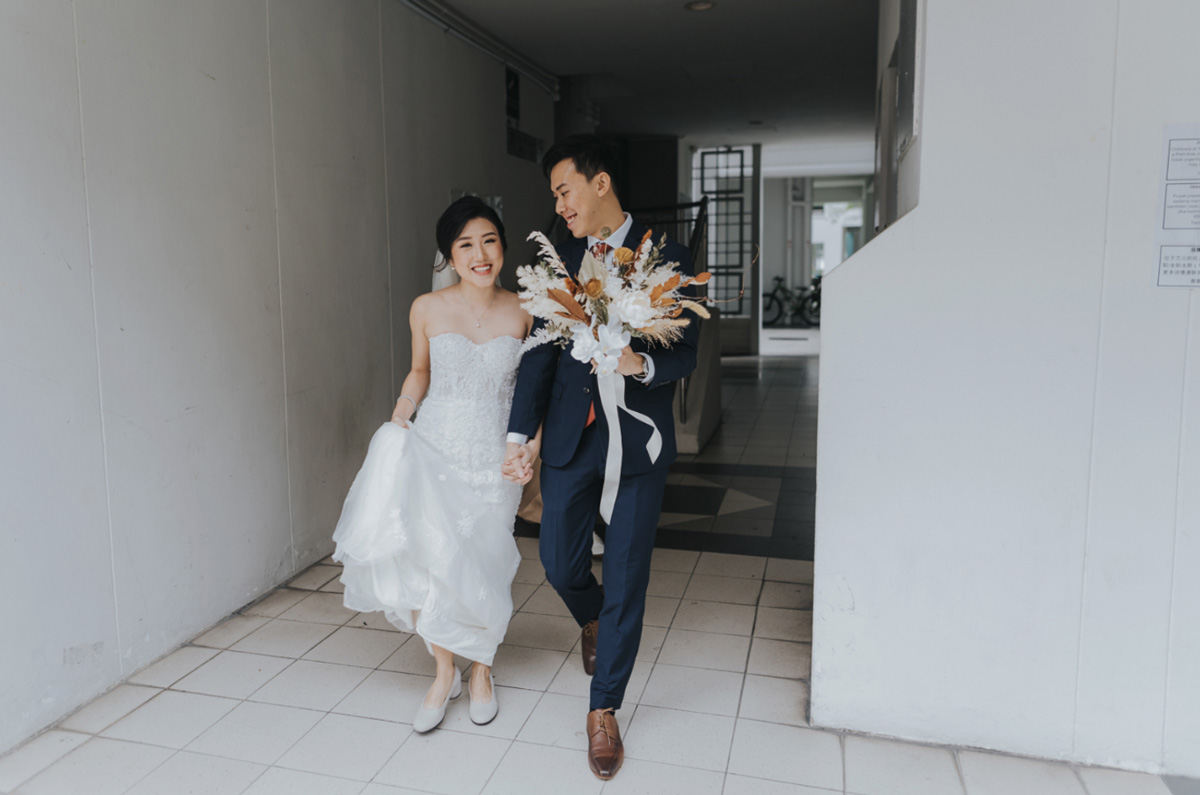
Ultimately, your wedding date should reflect your values as a couple. If family harmony and cultural tradition are paramount, lean into the consultation process and trust the guidance you receive. If personal meaning matters most, choose a date connected to your story. If practicality rules, pick whatever works logistically and don't overthink it.
The couples who navigate this decision most successfully share one trait: they communicate openly with each other first, establish their priorities together, then present a united front when discussing plans with others.
Your wedding date is just the beginning. What truly matters is what you build together in all the days that follow. Whether you marry on a date blessed by feng shui masters or one that simply felt right to you both, your marriage's success will depend on the love, commitment, and work you invest in it, not on the numbers on your wedding invitation.
Choose a date that lets you start your marriage with integrity, alignment, and peace. That's the real auspiciousness worth seeking.
Request a quote from over 450 wedding vendors
Get A Free Quote Now
Editor's Choice Awards 2026

GET THE APP


WE ACCEPT






Copyright © 2026 Citrus Media Pte. Ltd.
Reg No.: 200206092Z. All Rights Reserved