
Beyond the 4Cs: Choosing an Engagement Ring at Ginza Diamond Shiraishi
2026-09-16

Everyone has a friend who says buy the bigger one, and a friend who says buy the better cut. Both of them sound certain. Well, the thing is, neither of them has seen the stones you're looking at.
The 4Cs are meant to settle that argument, and mostly they do. What they can't tell you is why two diamonds with near-identical grades don't look the same in the tray. Ginza Diamond Shiraishi works that part out with a second reading: eligible stones come with a Sarine Light Report alongside the certificate, measuring how the diamond performs under real light rather than how it measures on paper.
Before any of that is useful though, it helps to know what the 4Cs are measuring in the first place.
What the 4Cs Tell You
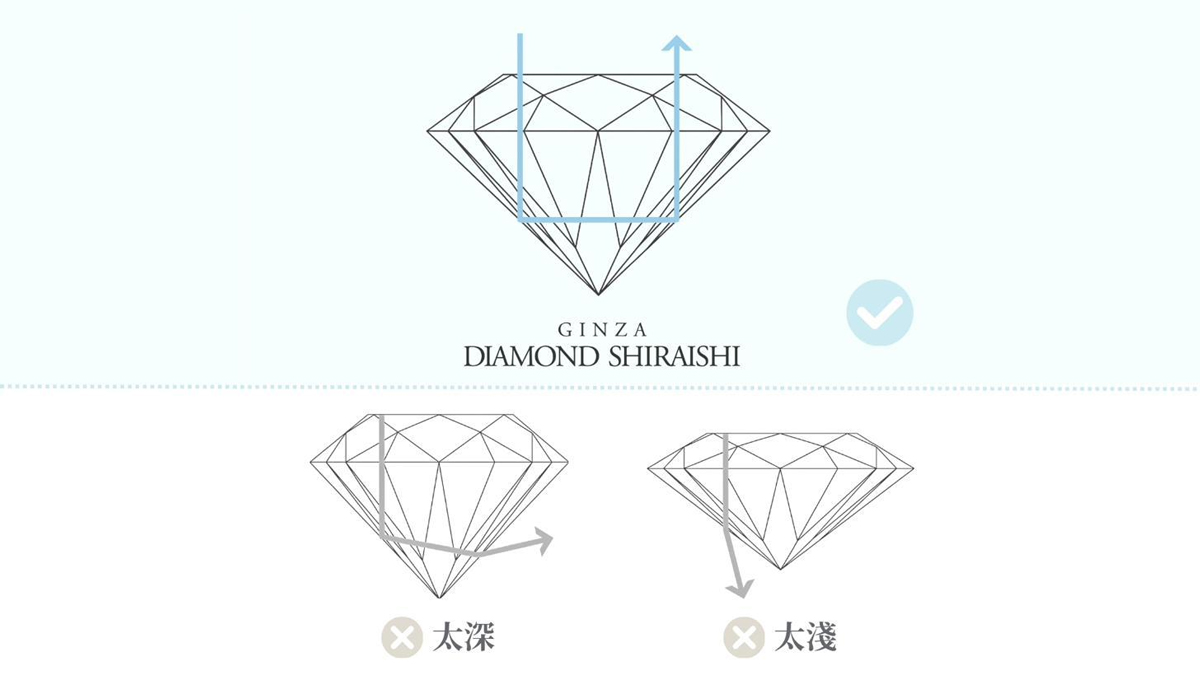
Cut does the most visible work of the 4Cs. Get the proportions right and light comes back up through the top of the stone. Too deep or too shallow and it leaks out the bottom and the sides instead. Same weight on the invoice, less life on the hand.
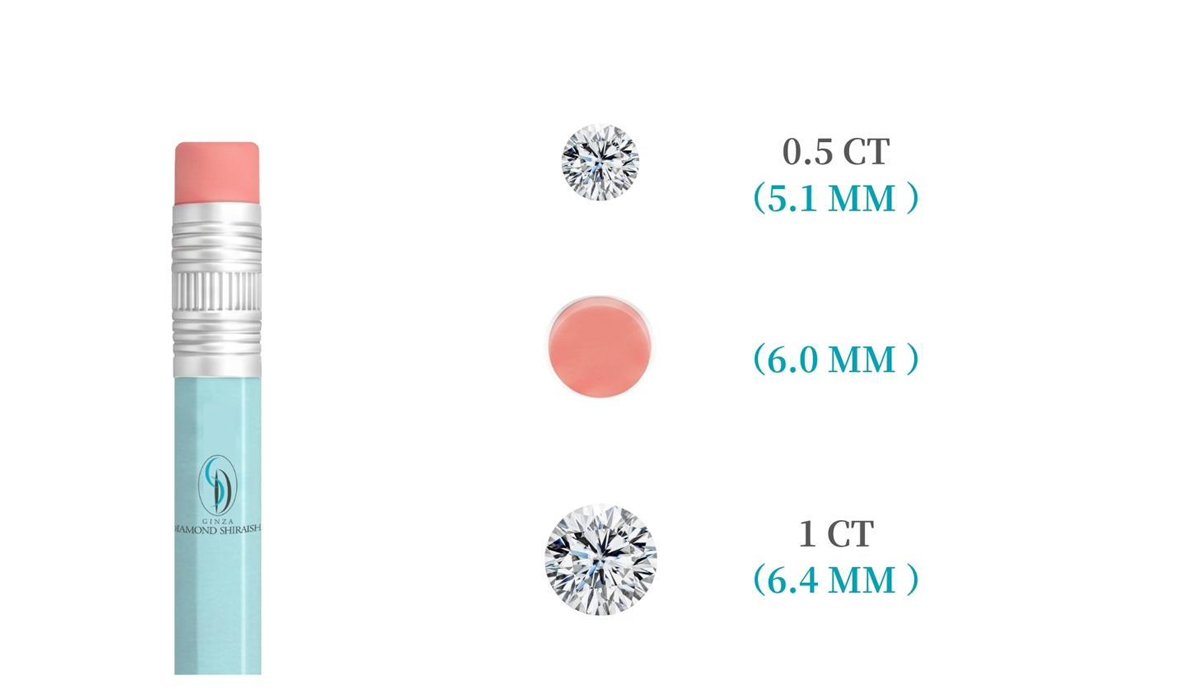
Carat is weight, not size. A 0.5ct round diamond spans about 5.1mm. Double the weight to 1ct and you get 6.4mm, roughly the width of a pencil eraser. Worth knowing before the budget conversation, which in most households is already losing ground to the reno quote and the banquet deposit.
Colour, Clarity and the VS Floor
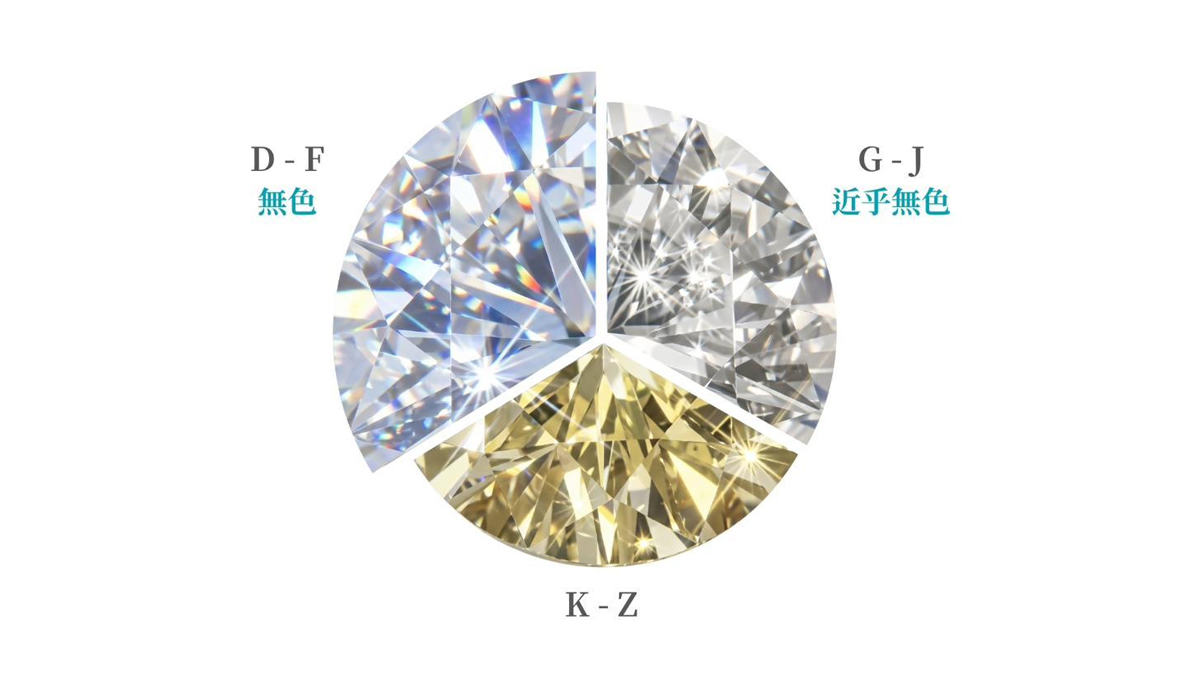
The colour scale runs from D to Z, measuring how much warmth sits inside the stone. D to F is colourless. G to J is near-colourless, and once the ring is on a hand most people will not pick the difference. From K the yellow starts to show.
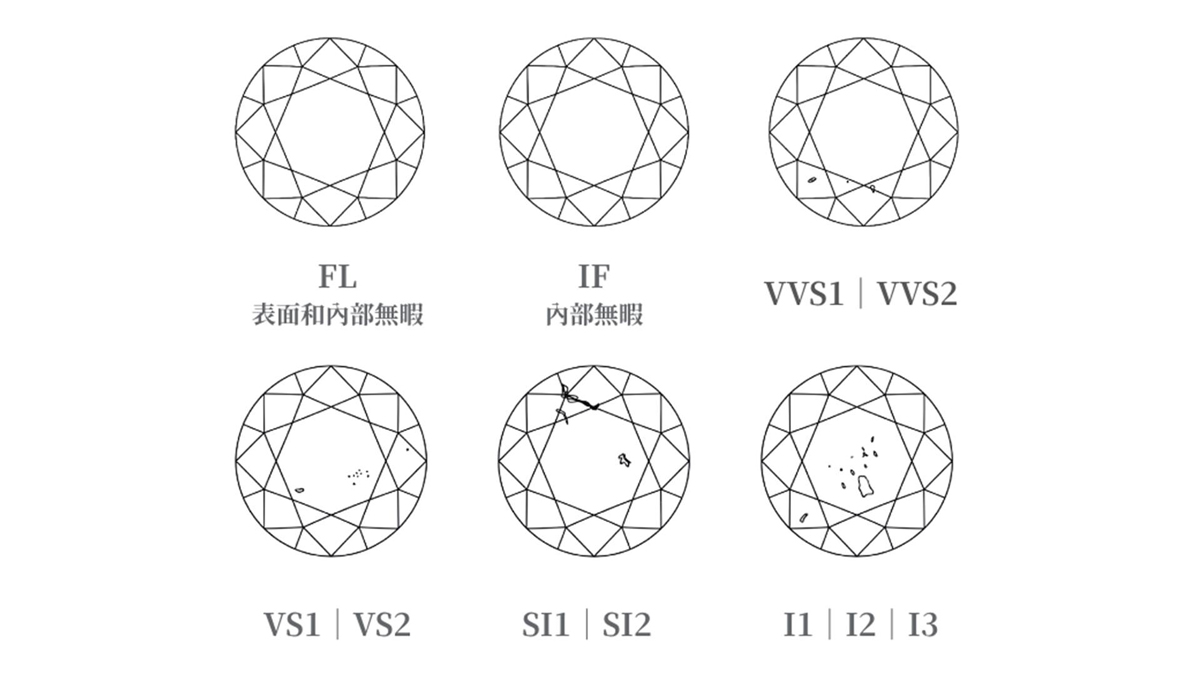
Clarity covers the natural inclusions and surface characteristics a diamond formed with, from Flawless at the top, down through the VVS and VS bands, to SI and the I grades where inclusions become visible without magnification. GINZA DIAMOND SHIRAISHI sets its floor at VS and above. Inclusions in VS diamonds are generally difficult to detect with the unaided eye, so the money goes into performance you can see rather than a grade that needs a loupe to confirm it. That floor balances visual clarity against brilliance and value.
Sarine Light
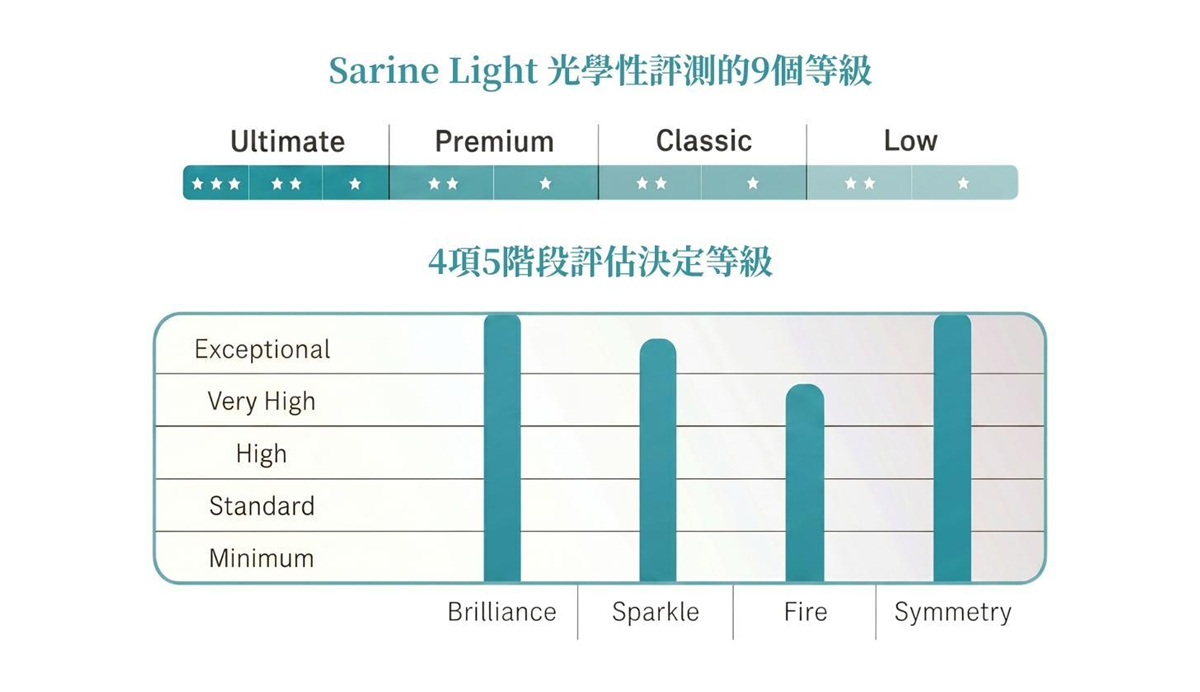
Two diamonds with similar 4C grades can still look different under real lighting. Sarine Light complements the certificate by measuring behaviour instead. It scores four aspects of light performance, Brilliance, Sparkle, Fire and Symmetry, across five stages from Minimum up to Exceptional, and those scores combine into a nine-level result running from Low up to Ultimate.
Brilliance is the white light coming straight back at you. Fire is the coloured flashes. Sparkle is what happens when the ring moves, which is most of a Singapore wedding day, from the gatecrash in the morning to the march-in at night. Symmetry is how evenly the pattern holds across the face of the stone.
A stone does not need top marks in all four. In Sarine's own worked example, fire sits a step below the other three ratings. Seeing the breakdown lets you work out which quality a particular diamond leads on, and whether that is the one you care about.

Over 90 per cent of eligible GINZA DIAMOND SHIRAISHI diamonds are graded Ultimate, the highest Sarine Light rating. The report leaves the shop with the ring, alongside internationally recognised grading documentation, and selected stones also carry a Virgin Diamond Certificate.
Inside the Takashimaya Boutique
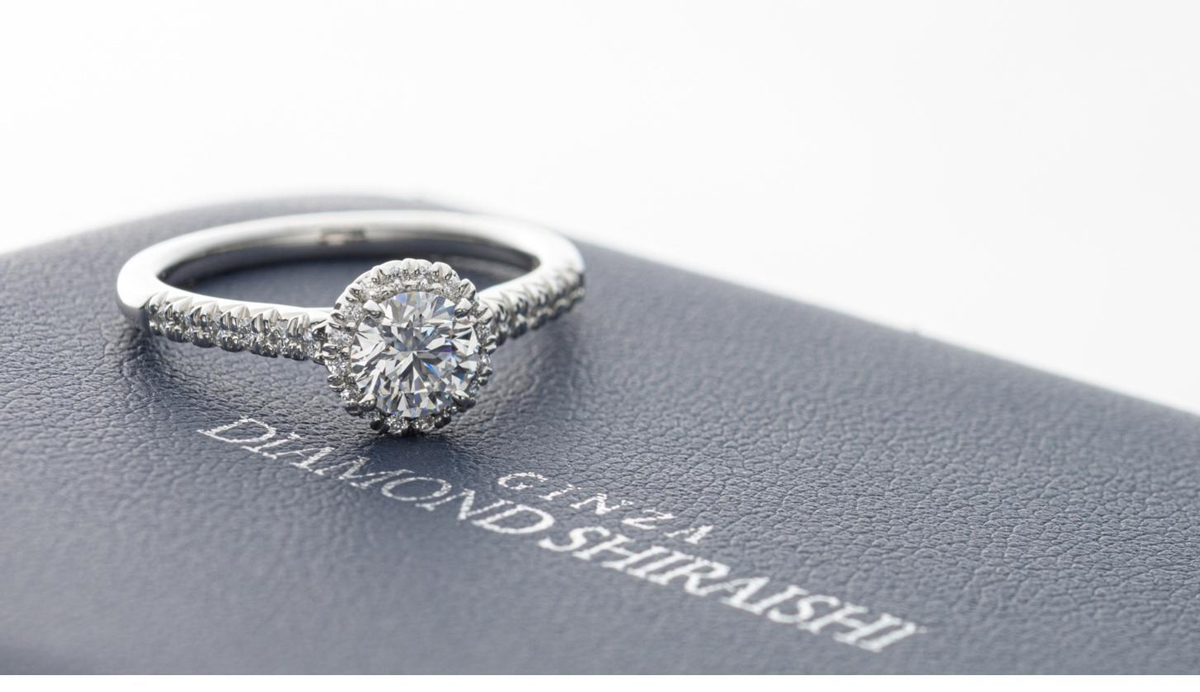
A consultant will put the grades and the light performance in front of you in one sitting, in the Japanese bridal tradition the brand was built on, and talk you through where the two pull against each other. Ring proportions and comfort come after that.
Comfort is the part most people rush. Singapore humidity does unhelpful things to ring sizing, hands swell over a long wedding day, and a setting that sits beautifully on a slim finger can catch on a broader one. The ring stays on for decades after that.
If you are looking ahead to the bands, there are elected wedding ring designs that feature carefully chosen accent diamonds, and which are finished according to the brand’s Japanese craftsmanship standards. Settling the proposal ring and the ROM bands in one sitting saves a second Saturday on Orchard Road. The house also builds what it calls the Set Ring, an engagement ring and a wedding band designed to sit together on the same finger rather than compete for it. That is the relevant one if you plan on keeping both on after the ROM rather than putting the proposal ring away.
The perfect engagement diamond is not necessarily the one with the highest grade in every category. It is the diamond that offers the right balance of brilliance, size, clarity, colour and budget, and looks beautiful when worn. Ginza Diamond Shiraishi hopes to help every couple understand these qualities clearly and choose a ring that feels truly personal, meaningful and comfortable for a lifetime.
Booking Your Consultation
Couples are invited to book an in-store consultation to compare the 4Cs against Sarine Light performance and ring proportions with professional guidance. Complimentary ring engraving and lifetime aftercare services are available, subject to the applicable service terms.
You can make an appointment at the Takashimaya outlet at this link.
Ginza Diamond Shiraishi: See the Difference Before You Decide
Nothing needs deciding on a first visit. If you are still working out what your budget gets you, the appointment works as a comparison exercise more than anything else.
After a trip to Ginza Diamond Shiraishi, it’s likely that you will leave with a clearer sense of which quality matters most to you, size on the finger or brightness in the room. And, whenever the decision does come, the Sarine Light Report and the grading documents go home with the ring, and the complimentary engraving and lifetime aftercare come after that.
Note: All images are from Ginza Diamond Shiraishi.
Address: 391A Orchard Road, #104-4 Takashimaya Singapore 238873
Telephone: 9795 4235
Email: [email protected]
Instagram: Link
Facebook: Link
Click here for their website.
Request a quote from over 450 wedding vendors
Get A Free Quote Now



Editor's Choice Awards 2026

GET THE APP


WE ACCEPT






Copyright © 2026 Citrus Media Pte. Ltd.
Reg No.: 200206092Z. All Rights Reserved